
Homeowners Insurance
Your home is one of your most meaningful investments — and protecting it starts with coverage that fits real life in Wisconsin. At Wisco Insurance, we make homeowners' insurance clear, personalized, and easy to understand. From winter storms and wind damage to everyday surprises, we help you compare options from multiple carriers so you can choose coverage that feels solid and sensible. Our focus is simple: practical guidance, coverage that makes sense, and the confidence that your home — and everything in it — is protected.
What Homeowners Insurance Can Cover
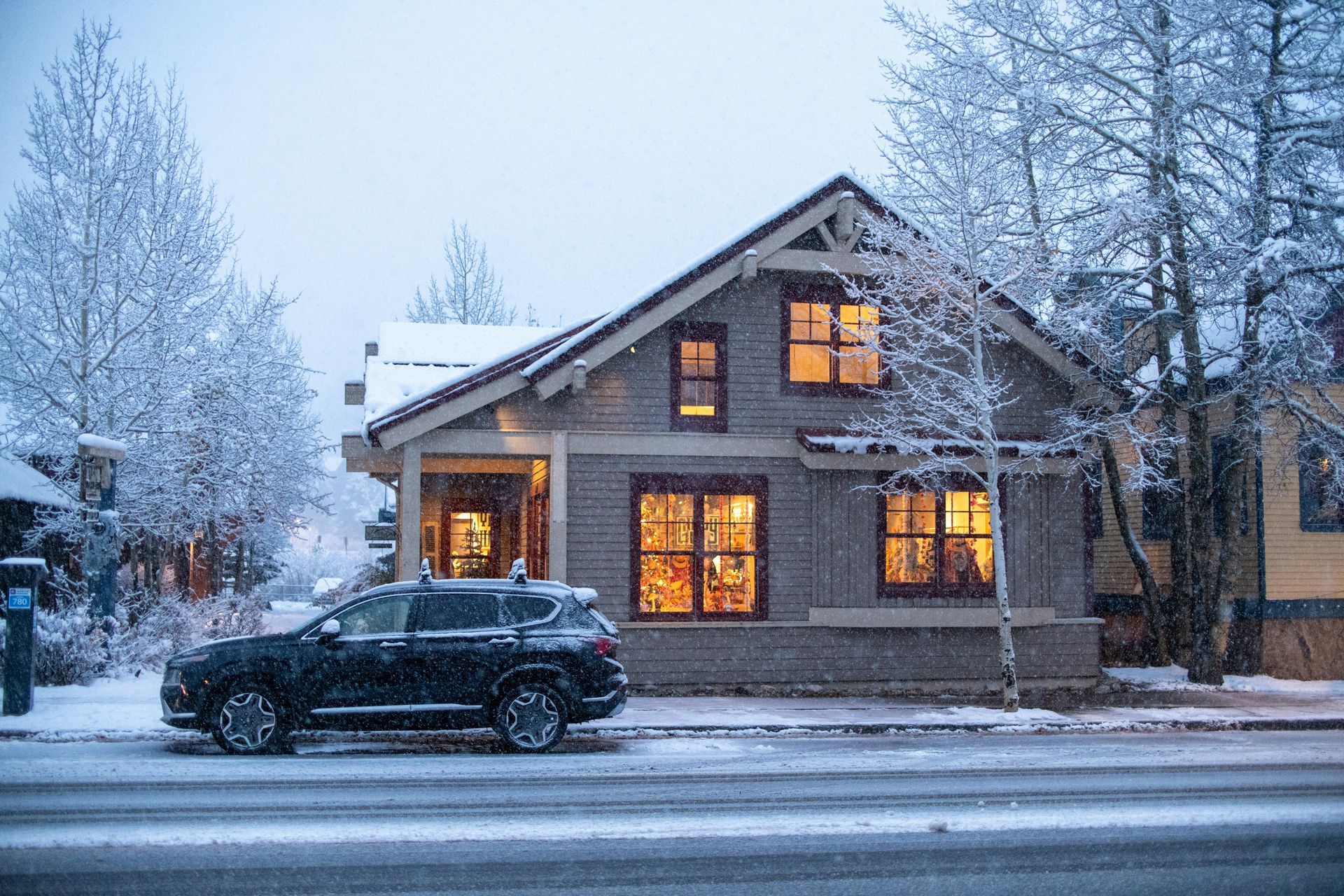
Property Damage
Helps cover the cost to repair or rebuild your home if it’s damaged by fire, wind, hail, snow-related issues, or other covered events. Wisconsin’s changing seasons and weather patterns make dependable dwelling coverage especially important for homeowners.
Personal Belongings
Protects the items inside your home — including furniture, electronics, appliances, clothing, and more — from theft, fire, or covered damage. We help you evaluate what you own so your coverage reflects real replacement costs, not rough estimates.
Liability Protection
Provides financial protection if someone is injured on your property or if you accidentally cause damage to someone else’s property. Liability coverage can help with medical expenses, legal costs, and related claims that can arise from everyday situations.
Additional Living Expenses (ALE)
If your home becomes unlivable due to a covered loss, ALE helps pay for temporary housing, meals, and other added expenses. Whether you’re displaced for a short time or longer, this coverage helps keep life moving while repairs are completed.
Other Structures Coverage
Extends protection to detached structures like garages, sheds, fences, and outbuildings. These structures are often overlooked, but damage can be costly without proper coverage in place.
Why Homeowners Insurance Matters in Wisconsin
Weather Can Be Unpredictable
Snow, ice, hail, windstorms, and freezing temperatures can take a toll on Wisconsin homes. Having coverage tailored to these conditions helps protect roofs, siding, plumbing, and structural systems year-round.
Rebuild Costs Continue to Rise
Construction materials and labor costs have increased across Wisconsin. Your homeowners policy should reflect current rebuild costs — not just your mortgage balance — to ensure you can fully restore your home after a loss.
Liability Comes With Ownership
From icy sidewalks in winter to gatherings during warmer months, homeowners face everyday situations where accidents can happen. Liability coverage helps protect your finances when unexpected injuries or damage lead to claims.
Frequently Asked Questions
What types of personal insurance are most important in Wisconsin?
For most Wisconsin residents, the foundation of personal protection starts with homeowners or renters insurance and auto insurance, since these address the most common day-to-day risks tied to property ownership and driving. In communities like Brodhead, Janesville, and Kenosha, seasonal weather, rural and urban driving conditions, and property ownership all play a role in shaping coverage needs. Many households also add life insurance for long-term family stability and umbrella insurance to provide extra liability protection beyond standard policy limits. The right mix depends on your home, vehicles, lifestyle, and financial goals, which is why local guidance matters when building coverage.
How much homeowners insurance coverage do I need in Wisconsin?
The right amount of homeowners insurance is based on what it would cost to rebuild your home — not its market value or mortgage balance. In southern Wisconsin, rebuild costs can vary depending on home age, construction materials, and local labor rates in areas like Rock County or Kenosha County. Older homes in Janesville or Brodhead may require specialized materials, while newer homes near Kenosha may reflect higher construction costs due to regional demand. A well-structured policy accounts for dwelling coverage, personal belongings, detached structures, and liability, ensuring your home can be fully restored after a loss without financial strain.
Is homeowners insurance different in Wisconsin compared to other states?
While homeowners insurance policies share common elements nationwide, Wisconsin homes face specific risks that should be reflected in coverage choices. Heavy snow loads, ice dams, frozen pipes, windstorms, and hail are common concerns throughout the region, from rural Brodhead to lakeside neighborhoods in Kenosha. Policies should be reviewed to ensure proper protection for roof damage, water-related losses, and heating system issues tied to cold winters. Local knowledge helps ensure coverage aligns with real conditions, rather than relying on generic policy assumptions that may not fully address Wisconsin-specific exposures.
Do I need renters insurance if my landlord has insurance?
Yes — a landlord’s insurance only covers the building itself, not your personal belongings or personal liability. Renters in apartments or homes throughout Janesville, Kenosha, and Brodhead are responsible for protecting their own furniture, electronics, clothing, and everyday items. Renters insurance also provides liability coverage if someone is injured in your unit or if accidental damage affects neighboring units. In addition, it can help cover temporary housing costs if your rental becomes unlivable due to a covered event, making it a practical and affordable layer of protection for renters across Wisconsin.
What is umbrella insurance and do I really need it?
Umbrella insurance provides extra liability coverage that goes beyond the limits of your homeowners and auto policies, offering broader financial protection if a serious claim occurs. For homeowners in southern Wisconsin — whether hosting gatherings in Janesville, navigating winter sidewalks in Brodhead, or owning property near busy areas in Kenosha — accidents can sometimes lead to claims that exceed standard limits. An umbrella policy helps protect savings, property, and future income from large legal or medical expenses, making it a valuable option for households with assets, frequent visitors, or higher liability exposure.